
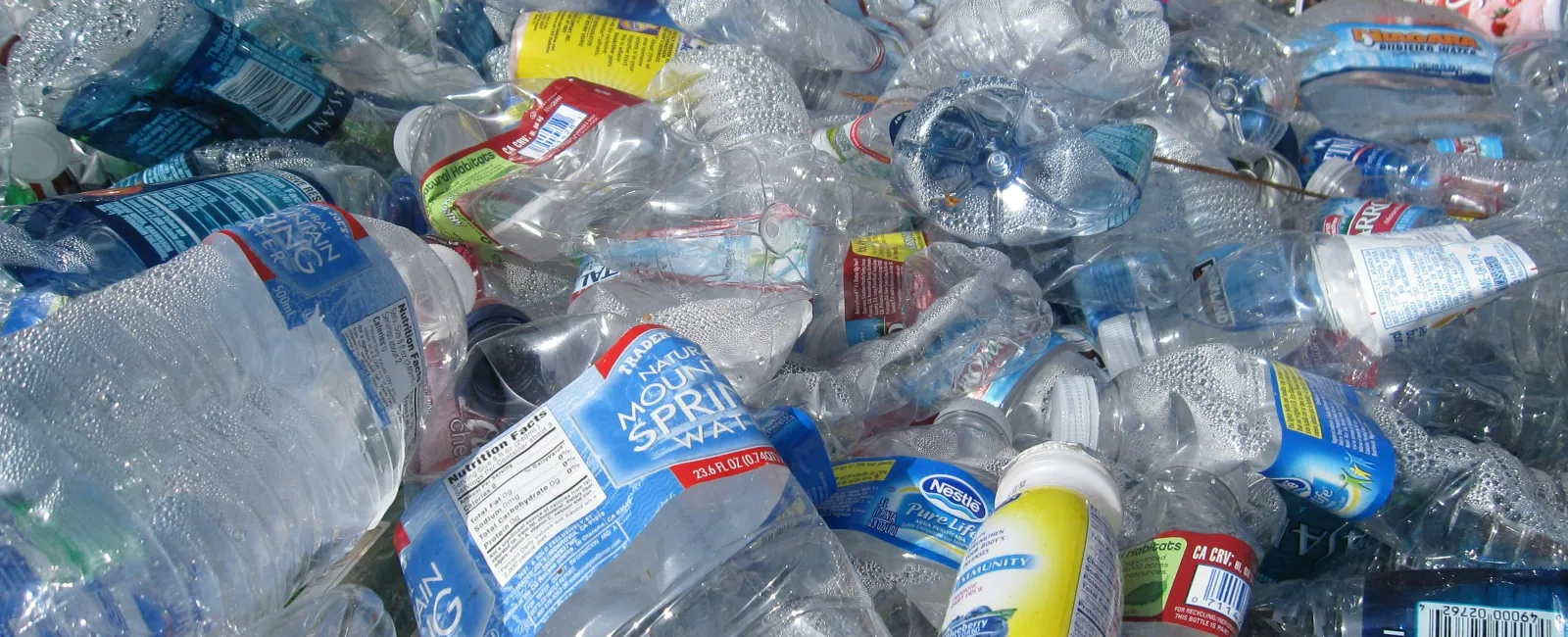
Plastic waste is one of the most pressing challenges facing manufacturers, recyclers, and waste handlers today. Whether you're processing post-industrial scrap, film, bottles, or rigid plastics, size reduction is often the first and most critical step in any recycling operation.
Shredding plastic isn't as simple as feeding material into a machine and walking away. The type of plastic, the downstream process, and your facility's throughput needs all play a role in determining the right approach.
Why Shredding Plastic Waste Matters
Unprocessed plastic waste is bulky, inconsistent, and difficult to transport or reprocess efficiently. Shredding solves several problems at once:
- Volume reduction: Shredded plastic takes up significantly less space, reducing storage and hauling costs.
- Material consistency: Breaking plastic into uniform particles makes it easier to sort, wash, and feed into extruders or granulators downstream.
- Contamination removal: Shredding exposes internal surfaces of hollow containers, making washing and decontamination more effective. See more about recycling contamination effects.
- Commoditization: Shredded plastic is easier to bale or densify, increasing its market value as a recycled commodity.
What Types of Plastic Can Be Shredded?
One of the most common questions facilities have is whether their specific material can be processed through a shredder. Most plastics can be shredded, but not all shredders are built equally for every resin type.
Here's a breakdown of commonly shredded plastic types:
- HDPE and LDPE (Polyethylene): Bottles, containers, drums, and plastic film. These are among the most commonly processed plastics in recycling operations.
- PET (Polyethylene Terephthalate): Beverage bottles and food packaging. PET is a high-value recycled commodity and is frequently shredded before being washed and granulated.
- PP (Polypropylene): Automotive parts, containers, and packaging. Can be brittle depending on formulation, which affects blade wear.
- PVC (Polyvinyl Chloride): Pipes, profiles, and window frames. PVC generates heat during shredding, so machines designed for this material typically require special blade configurations and cooling.
- ABS and Engineered Resins: Electronic housings, appliances, and automotive components. These hard, rigid plastics require high-torque shredding systems.
- Plastic Film and Bags: One of the trickier materials to process, plastic film can tangle in lower-quality shredders. Machines with anti-wrap designs or dedicated film shredder configurations handle this material best.
How Industrial Plastic Shredding Works
Plastic shredding is a mechanical size-reduction process. Material is fed into the shredding chamber, where rotating blades or cutters tear, shear, or crush the plastic into smaller fragments. However, the specifics vary significantly by machine type.
Single Shaft Shredders
Single shaft shredders use a rotating cutter shaft positioned against a stationary bed knife. A hydraulic ram feeds material into the cutting chamber, and a screen below the rotor controls output particle size. These machines are ideal for rigid plastics, purge scrap, and production rejects. They offer precise particle sizing and high throughput, making them a go-to for plastic recycling operations that need consistent output.
Dual Shaft (Two-Shaft) Shredders
Dual shaft shredders use two counter-rotating shafts equipped with interleaved cutters. The slow-speed, high-torque design makes these machines particularly effective at tearing through bulky, hard-to-feed materials like drums, large hollow containers, and purgings. They're often used as a primary shredder before a secondary granulator takes material down to a finer particle size.
Granulators vs. Shredders
Granulators are often confused with shredders, but they serve a different purpose. While shredders handle primary size reduction of large, bulky, or mixed plastic waste, granulators produce finer, more uniform particle sizes suitable for direct reprocessing or pelletizing. In many plastic recycling operations, a shredder and a granulator are used in sequence as part of a complete plastic shredding process.
How to Choose the Right Plastic Shredder Machine
There are several factors worth evaluating carefully before investing in a shredder.
1. Know Your Material
As covered above, different resins behave differently under shredding. Rigid materials like ABS and PVC require different blade geometry and motor torque than soft polyethylene film. Define your material mix before spec'ing a machine, and be honest about contamination levels. A shredder handling clean post-industrial trim is a very different machine from one processing mixed post-consumer plastic waste.
2. Define Your Throughput Requirements
Industrial plastic shredders are rated by throughput, typically expressed in pounds or tons per hour. Undersizing a machine creates problems; oversizing one wastes capital and energy. Factor in your peak production volumes and any plans for growth when calculating the right capacity. A well-matched plastic shredder machine keeps material flowing.
3. Consider Output Particle Size
What happens to the shredded plastic after it leaves the machine? If it's going directly into an extruder, you may need a fine, uniform output. If it's being baled or densified for sale, a coarser output may be acceptable. Screen selection in single-shaft shredders gives operators control over output size, which is one reason they're preferred in precision plastic recycling applications.
4. Plan for Maintenance and Uptime
Blades wear, bearings need lubrication, and screens get clogged. The best plastic shredding equipment in the world is only as valuable as its uptime. Look for machines with accessible maintenance points, available replacement parts, and manufacturer support. For operations running multiple shifts, a service partner who can provide preventive maintenance and fast repairs on shredder components is a critical part of the equation. See more on repair, maintenance, and refurbishment.
Integrating Plastic Shredding Into a Complete Waste Handling System
For most commercial and industrial recycling operations, a standalone shredder isn't efficient. Effective plastic shredding often sits within a larger material flow that might include conveyors, balers, compactors, and sorting systems.
Here's what a typical integrated plastic recycling shredder system might look like:
- Infeed conveyor: Transports bulk plastic to the shredder at a controlled rate, preventing overfeeding and jams.
- Primary shredder: Reduces bulk material to manageable fragments.
- Secondary granulator (optional): Brings shredded material down to a specific particle size for reprocessing.
- Outfeed conveyor or collection system: Moves processed material to bins, bags, or directly into a baler.
- Baler or compactor: Densifies shredded plastic for storage, transport, or sale as a recycled commodity.
Designing this kind of custom waste handling system requires a clear understanding of your material, space constraints, and production goals. Configuring equipment in isolation rarely produces the efficiency gains that a thoughtfully integrated system can deliver.
Common Challenges in Plastic Shredding
Even well-configured plastic shredding operations run into issues. Here are some of the most common problems and practical ways to address them.
Film and Bag Wrapping
Thin plastic film has a tendency to wrap around shredder shafts rather than shearing cleanly. Anti-wrap designs, wiper blades, and machines specifically configured for film shredding help mitigate this. If your operation processes a significant volume of plastic bags or stretch film, specify this upfront when evaluating equipment.
Heat Buildup and Remelting
High-speed shredding generates friction, which generates heat. For low-melt plastics like polyethylene or polypropylene, too much heat can cause material to remelt and fuse, clogging screens and reducing output quality. Low-speed, high-torque shredding configurations are often preferred for heat-sensitive materials, as they reduce friction while still delivering effective size reduction.
Metal Contamination
Metal contaminants in a plastic waste stream are one of the fastest ways to damage shredder blades and cause unplanned downtime. Magnets, eddy current separators, or manual pre-sorting on an infeed conveyor can help remove ferrous and non-ferrous metals before material reaches the shredder. This is especially important for post-consumer plastic waste, which often contains hardware, caps, and metal closures.
Partner With the Right Equipment Experts
Shredding plastic waste efficiently takes the right machine, the right configuration, and ideally, a service partner who knows the equipment inside and out. Whether you're setting up a new plastic recycling shredder operation from scratch or optimizing an existing line, working with a distributor who offers both equipment and ongoing service support makes a significant difference.
At Crigler Enterprises, we've been helping manufacturers, recyclers, and waste handlers in the Southeast install and maintain recycling equipment since 1972. We carry a range of industrial shredders along with balers, conveyors, compactors, and custom waste handling systems designed to work together.
Ready to explore shredding solutions? Contact the Crigler team to discuss your material, throughput, and system goals. We'll help you find the right fit.


