
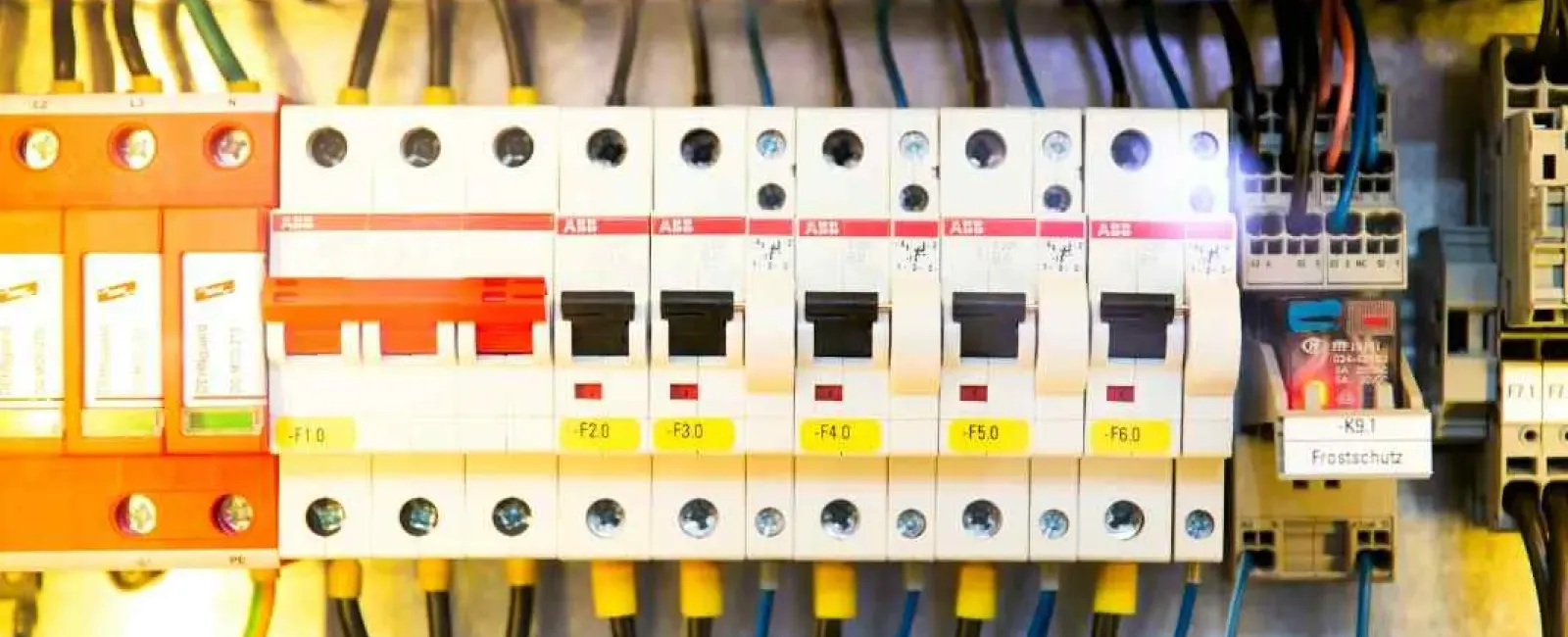
If you operate a baler, compactor, shredder, or conveyor system, there's a good chance a PLC is controlling how your equipment functions. Unless you've had to troubleshoot one or been told it's time for an upgrade, you might not know exactly what it does or why it matters.
Understanding the role of a PLC in your recycling equipment can help you make smarter decisions about maintenance, upgrades, and long-term operational efficiency.
What Is a PLC?
PLC stands for Programmable Logic Controller. It's an industrial computer specifically designed to control machinery and automated processes. Unlike a standard computer, a PLC is built to withstand harsh environments, including extreme temperatures, dust, vibration, and electrical noise, which makes it ideal for recycling facilities, manufacturing plants, and distribution centers.
A PLC receives input from sensors and switches on your equipment, processes that information based on its programmed logic, and then sends output commands to motors, valves, and other components. In simple terms, it's the brain of your machine.
How Does a PLC Work in a Baler?
In a baler, the PLC manages nearly every function that keeps the machine running efficiently and safely. When you load material into the chamber and initiate a cycle, the PLC takes over. It controls the timing of the ram, monitors pressure levels, activates the tying mechanism, and ensures each bale is compressed to the correct density before ejection.
Here's a closer look at what the PLC handles during a typical baling cycle:
The PLC receives a signal from the operator or an automatic sensor indicating that material is ready to be compressed. It activates the hydraulic system, controlling the movement and pressure of the ram as it compresses the material. Throughout the cycle, the PLC monitors safety interlocks, ensuring doors are closed and guards are in place before the ram moves. Once the bale reaches the programmed density or size, the PLC triggers the wire tier or strapping system. After tying is complete, the PLC commands the ejection mechanism to push the finished bale out of the chamber. The system then resets, ready for the next cycle.
All of this happens automatically and in the correct sequence because of the PLC's programming. Without it, operators would need to manually control each step, which would slow production and increase the risk of errors or injuries.
PLCs in Other Recycling Equipment
Balers aren't the only machines that rely on PLC automation. Compactors, shredders, and conveyors all use PLCs to manage their operations.
In a compactor, the PLC controls the ram cycle, monitors fill levels, and can trigger alerts when the container is full and ready for pickup. For shredders, the PLC manages motor speed, detects jams or overloads, and can automatically reverse the cutting chamber to clear obstructions. In conveyor systems, the PLC coordinates the speed and timing of multiple belts, ensuring smooth material flow between equipment.
When multiple machines work together in a custom waste handling system, the PLC becomes even more important. It allows different pieces of equipment to communicate with each other, synchronizing their operations so that material moves efficiently from one stage to the next without backups.
Why PLC Programming Matters
The performance of your equipment depends heavily on how well the PLC is programmed. A well-configured PLC ensures that your baler or compactor runs at optimal speed, produces consistent bales, and responds correctly to sensor inputs. Poor programming, on the other hand, can lead to slow cycle times, inconsistent bale density, excessive wear on components, and increased downtime.
PLC programming is tailored to your specific equipment and operational needs. Factors like the type of material you're processing, your desired bale weight, your production volume, and your safety requirements all influence how the PLC logic is written. This is why off-the-shelf programming rarely delivers the best results. Custom PLC programming, designed around your facility's workflow, makes a noticeable difference in performance.
Signs Your PLC May Need an Upgrade
PLCs are durable, but they don't last forever. Over time, older controllers can become unreliable, difficult to service, and incompatible with modern automation tools. If you're experiencing any of the following issues, it may be time to consider a PLC upgrade:
- Your equipment runs slower than it used to, even after mechanical maintenance.
- Cycle times are inconsistent, or bales vary in density from one to the next.
- The PLC displays error codes frequently, or the system requires regular resets.
- Replacement parts for your controller are hard to find or discontinued.
- Your facility has added new equipment that doesn't communicate well with your existing PLC.
- You're having difficulty finding technicians who can service your outdated system.
An aging PLC doesn't just affect efficiency. It can also create safety risks if the controller fails to properly monitor interlocks or respond to sensor inputs.
Benefits of a PLC Upgrade
Upgrading to a modern PLC can transform the way your equipment performs. Here's what you can expect:
- Faster cycle times and more consistent output. New PLCs process information more quickly and execute commands with greater precision, which translates to higher throughput and more uniform bales.
- Improved safety and compliance. Updated programming ensures your equipment meets current safety standards and reduces the risk of operator error. Modern PLCs provide better monitoring of safety interlocks and emergency stops.
- Easier troubleshooting and reduced downtime. New PLCs offer enhanced diagnostics, making it easier to detect faults, log issues, and identify the root cause of problems. This means faster repairs and less unplanned downtime.
- Better integration with other equipment. Modern PLCs work seamlessly with additional sensors, HMIs (human-machine interfaces), and other automation tools. This makes it easier to scale your operation or connect multiple machines into a coordinated system.
- Long-term reliability. Newer controllers use current technology with readily available replacement parts and support, so you won't be stuck searching for obsolete components when something needs service.
What to Expect During a PLC Upgrade
If you decide to move forward with an upgrade, the process typically involves several steps.
- First, a technician will assess your current PLC, wiring, equipment setup, and performance goals. This evaluation identifies what needs to be replaced and what can be retained.
- Next, the technician builds custom logic tailored to your system's exact needs, including timing sequences, automation routines, and safety functions.
- Once the programming is complete, the old controller is removed, and the new PLC is installed. The technician ensures it communicates correctly with the rest of your system, including sensors, motors, and any connected equipment.
- After installation, the system is thoroughly tested to verify that all functions operate as expected. Finally, your team receives training on the updated controls and troubleshooting procedures so they can operate the equipment confidently.
Is a PLC Upgrade Worth It?
For many facilities, upgrading the PLC is more cost-effective than replacing the entire machine. If your baler, compactor, or shredder is mechanically sound but struggling with outdated controls, a PLC upgrade can restore performance, extend the equipment's lifespan, and improve safety without the expense of new machinery.
It's also a smart investment if you're planning to expand your operation. A modern PLC gives you the flexibility to integrate new equipment, add automation features, and scale your system as your needs grow.
Keep Your Equipment Running at Its Best
Your PLC may not be the most visible part of your baler or compactor, but it's one of the most important. Understanding what it does and recognizing when it needs attention can help you avoid costly downtime and keep your operation running efficiently.
If your equipment isn't performing the way it should, or if you're dealing with an aging control system that's becoming difficult to maintain, it may be time to explore your options.
Ready to Evaluate Your PLC?
Contact Crigler Enterprises to learn more. Our team will review your equipment, recommend the right upgrade, and help you move toward a smarter, more efficient operation.


