
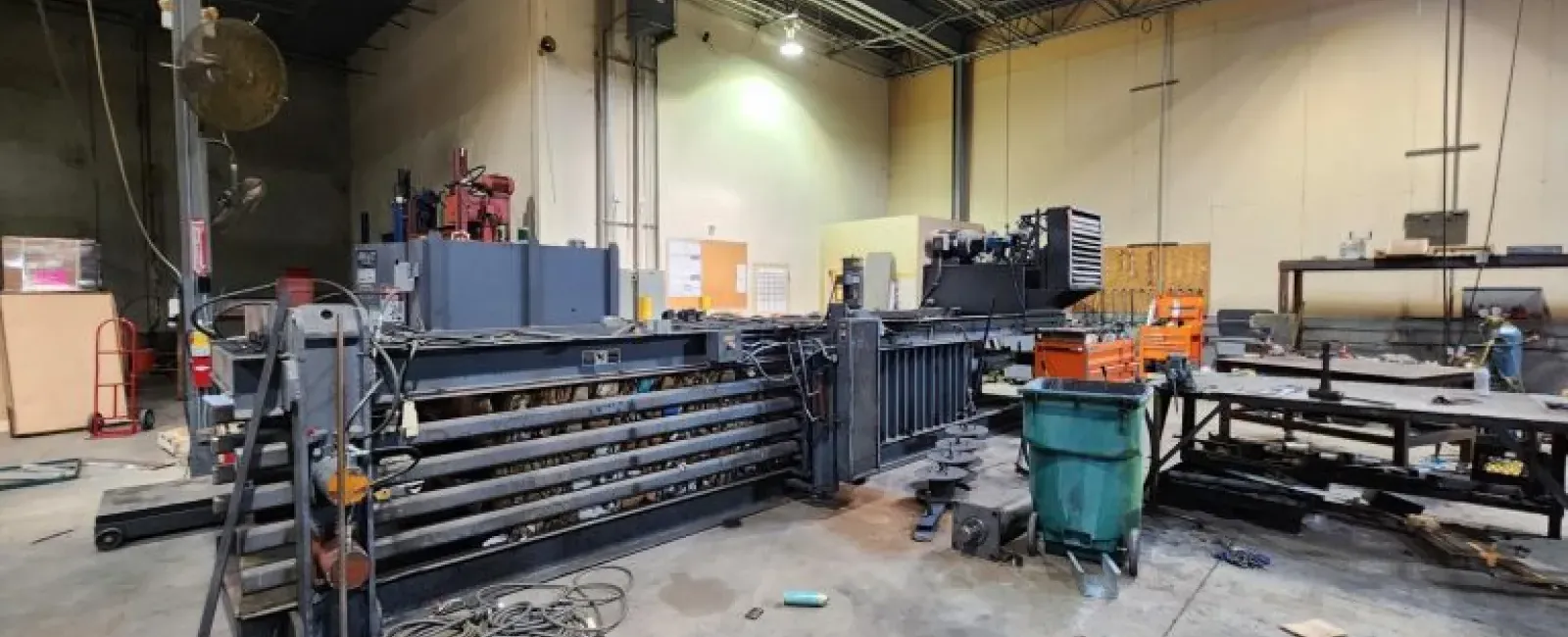
Choosing the right horizontal
baler can have a major impact on your facility's productivity and labor costs. Two of the most common types of recycling balers used in
industrial operations are the auto-tie baler and the closed door baler. Both
are horizontal machines designed to compress recyclable materials like
cardboard, paper, plastics, and non-ferrous metals into dense, manageable
bales. However, the way they operate, the volume they handle, and the labor
they require are very different.
Understanding the differences
between these two machines can help you make a smarter equipment investment,
whether you're running a recycling center, distribution warehouse,
manufacturing plant, or scrap processing facility.
What Is a Closed Door Baler?
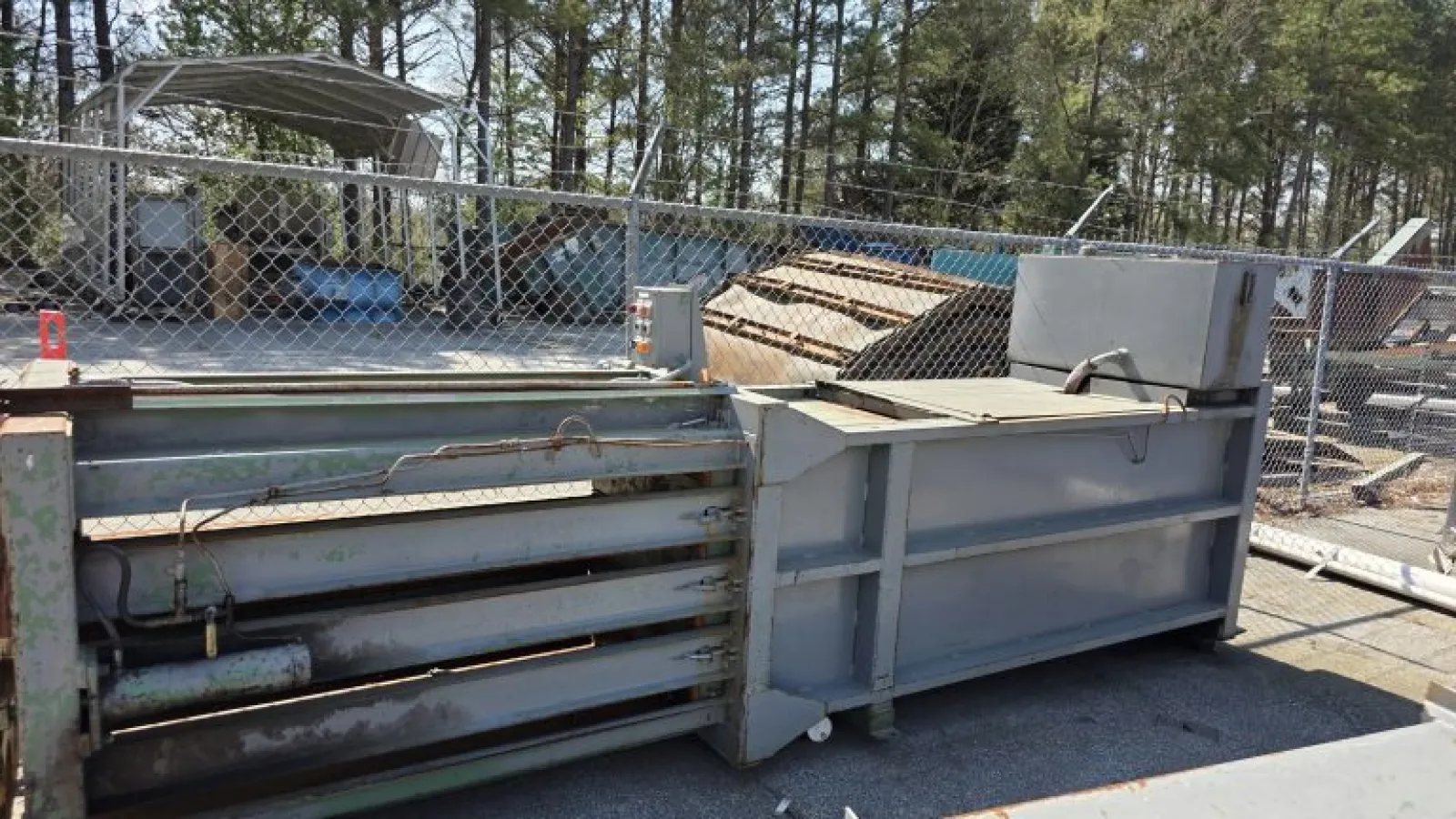
A closed door baler, also
called a closed end baler, is a horizontal baling machine with a steel gate or
solid door at the end of the bale chamber. Material is loaded into the hopper,
either manually or by conveyor, and a hydraulic ram compresses it against that
closed door. The compaction cycle runs automatically, but once the bale reaches
the desired size, an operator needs to manually tie it off with baling wire
before the door opens and the finished bale is ejected.
Think of it as a vertical baler turned on its side. The basic mechanics are similar, but the horizontal design
allows for larger bale sizes and the ability to accept a continuous feed of
material through a conveyor system.
Best Applications for Closed Door Balers
Closed door balers are a good fit for operations that process a moderate volume of material, typically around
1 to 4 tons per hour. They work especially well when a facility handles
multiple material types throughout the day. Recycling centers and transfer
stations that bale cardboard one hour and plastics the next benefit from the
closed door design because switching between materials is straightforward.
The closed chamber also
produces denser, more secure bales for materials with high rebound, like PET
bottles and certain plastics. Because the material compresses against a solid
door rather than through an open channel, it holds its shape better once tied.
What Is an Auto-Tie Baler?
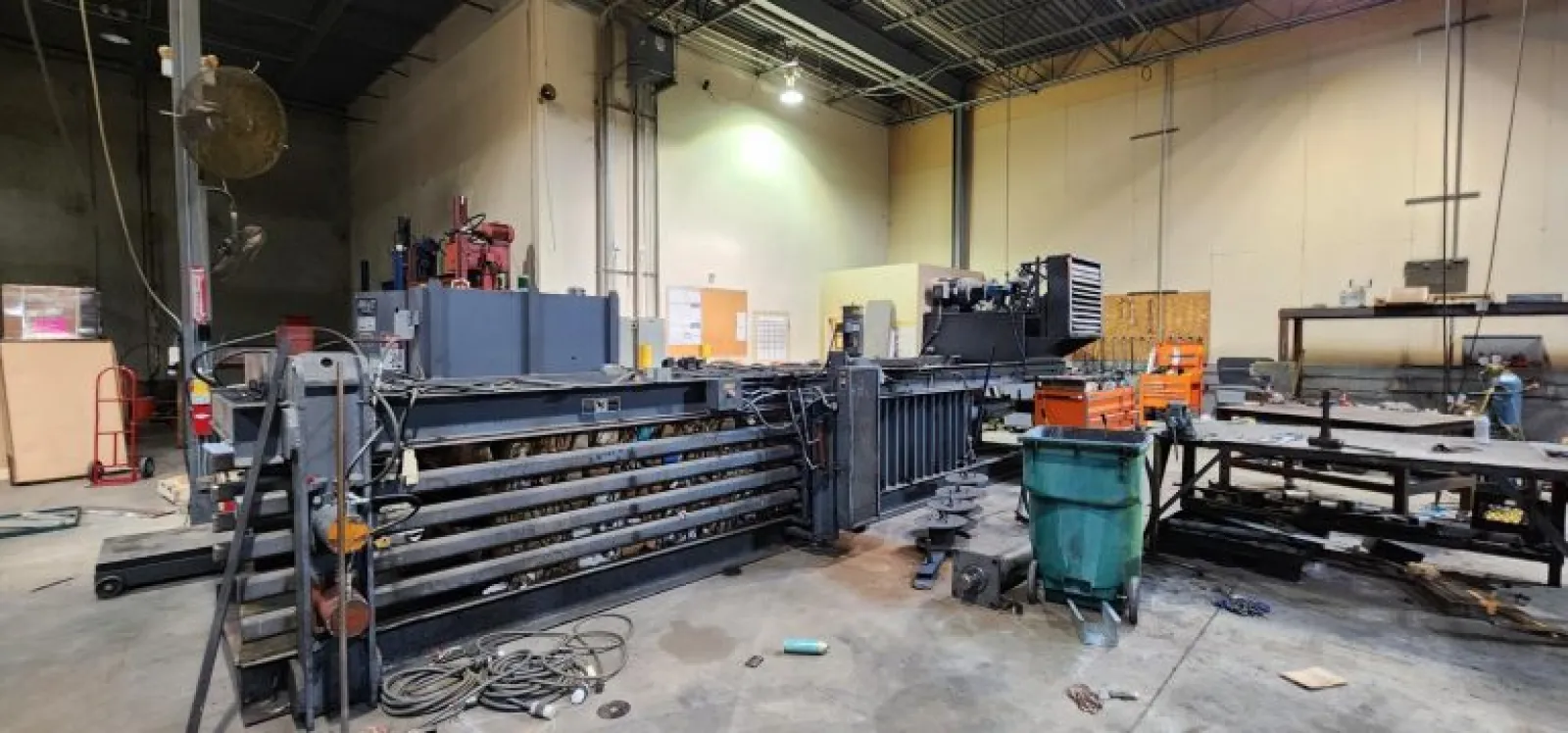
An auto-tie baler, also known
as an open end baler, takes automation a step further. Instead of a closed door
at the end of the chamber, this machine uses a longer, open-ended channel. As
material is fed in and compressed, the bale gradually moves through the
chamber. When it reaches the right size and density, the machine automatically
ties the bale with wire, ejects it, and immediately begins forming the next
one, all without stopping.
This continuous operation is
what makes an auto-tie baler the go-to choice for high-volume facilities.
There's no waiting for an operator to manually tie each bale, which means less
downtime and more throughput.
Best Applications for Auto-Tie Balers
Auto-tie horizontal balers are
built for operations that process high volumes of recyclable material,
typically more than 4 tons per hour. They're commonly found in large
distribution centers, manufacturing plants, printing operations, and
high-throughput recycling facilities. If your operation generates a steady
stream of cardboard, paper, or plastic film throughout the day, an auto-tie
baler keeps pace without requiring dedicated labor at the machine.
Key Differences Between Auto-Tie and Closed Door Balers
While both machines serve the
same basic purpose of compressing recyclable materials into bales, there are
several important distinctions that affect how they fit into your operation.
|
Feature |
Closed Door
Baler |
Auto-Tie
Baler |
|
Tying Method |
Manual tie by operator |
Fully automatic wire tie |
|
Chamber Design |
Closed end with a steel door |
Open-end, continuous
channel |
|
Volume Capacity |
1 to 4 tons per hour |
4+ tons per hour |
|
Labor Required |
Operator needed for tying |
Minimal operator
involvement |
|
Bale Weight (OCC) |
1,000 to 1,500 lbs |
1,200 to 1,800+ lbs |
|
Material Switching |
Easy to switch between
materials |
Best with consistent
material flow |
|
Upfront Cost |
Lower initial investment |
Higher initial investment |
|
Best For |
Multi-material, medium
volume |
High-volume, single material |
Tying Method and Labor Costs
This is often the deciding
factor. With a closed door baler, someone has to be available to tie off each
bale by hand with wire once it reaches full size. That process takes time, and
it means your operation needs a dedicated or semi-dedicated employee near the
machine. For facilities that produce a handful of bales per shift, that's
manageable. However, when you're producing dozens of bales a day, the labor costs
add up quickly.
An auto-tie baler eliminates that manual step entirely. The machine handles tying, ejecting, and restarting on its own. This frees up your team for other tasks and keeps material moving through your facility.
Cost Considerations
Closed door balers come with a
lower purchase price, making them an attractive option for facilities that
don't need the throughput of a fully automated system. However, it's important
to factor in the ongoing labor costs of manual tying when calculating your
total cost of ownership.
Auto-tie balers require a
larger upfront investment, but the reduction in labor and increase in
throughput often deliver a faster return. For growing operations, starting with
an auto-tie machine can also save you from having to replace a closed door baler
sooner than expected as your volume scales.
How to Choose the Right Baler for Your Facility
The right industrial baler for your operation depends on your material
volume, the types of recyclables you process, available floor space, labor
availability, and budget. Here are a few questions to guide your decision:
- How many tons of material do you process per hour and per day?
- Do you bale one type of material consistently, or switch between several?
- How much labor can you dedicate to baler operation and tying?
- Is your volume growing, and how quickly?
- What's your available floor space for equipment?
If you're on the fence or your
needs fall somewhere in the middle, it's worth talking to an equipment
specialist who can evaluate your specific setup and recommend the right fit.
Find the Right Baler with Crigler Enterprises
For over 50 years, Crigler
Enterprises has helped businesses across the Southeast find the right recycling
equipment for their operations. Whether you need a closed door baler for a
multi-material recycling center or an auto-tie baler for a high-volume distribution
facility, our team can help you evaluate your options and find equipment that
fits your workflow and budget.
We carry both new and used
horizontal balers from leading manufacturers and provide full-service support,
including custom system design, installation, and ongoing maintenance.
Contact Crigler Enterprises today to discuss your baling needs.


